Table of Contents
ToggleTable lamps aren’t just light sources, they’re workhorses that set the mood, highlight design choices, and fill in gaps overhead fixtures can’t reach. In 2026, modern table lamps have evolved beyond simple task lighting into sculptural, functional pieces that anchor a living room’s aesthetic. Whether someone’s layering ambient light or adding a reading nook to a sectional corner, the right lamp ties together scale, color, and purpose. This guide walks through the styles, sizing, placement strategies, and practical features that separate a thoughtful lamp choice from an afterthought.
Key Takeaways
- Modern table lamps for living rooms serve multiple purposes beyond lighting, including anchoring furniture groupings, creating visual layers, and instantly updating décor without renovation.
- Proper sizing and placement are critical: lamp shade bottom should sit at eye level (58–64 inches from floor when seated), and shade width should be roughly two-thirds the lamp base height.
- Popular 2026 styles include minimalist Scandinavian designs with warm LED bulbs (2700K–3000K) and industrial metal accents that balance functionality with visual interest.
- Match lamp bases to your room’s dominant finishes—brushed nickel or chrome for cool-toned hardware, aged brass or bronze for warm wood furniture and earth tones.
- Practical features like three-way bulbs, integrated USB ports, dimmer compatibility, and weighted bases enhance flexibility, safety, and device-charging convenience throughout the day.
- Layer multiple light sources across the room rather than clustering lamps on one side to achieve balanced, polished illumination and avoid dark pockets.
Why Modern Table Lamps Are Essential for Your Living Room
Overhead lighting alone rarely cuts it. Recessed cans and flush mounts deliver general illumination, but they can’t adjust mood or create visual layers. Table lamps fill that gap by providing task lighting for reading, accent lighting to highlight artwork or architectural details, and ambient glow that softens harsh overhead beams.
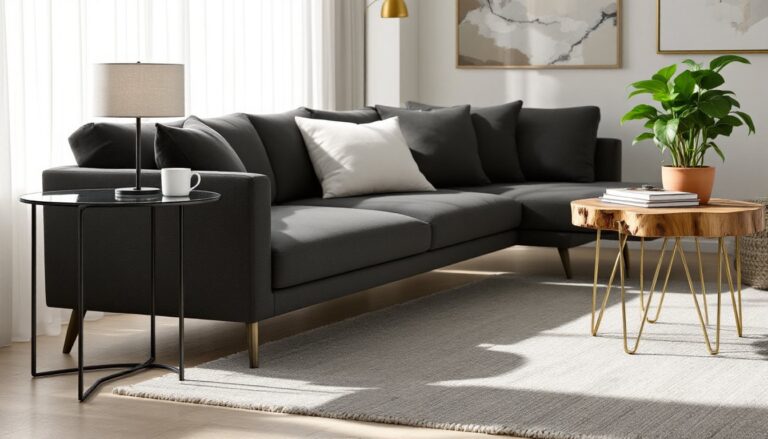
They also anchor furniture groupings. A lamp on an end table beside a sofa signals “this is where you sit and relax.” Paired lamps on console tables flanking a fireplace create symmetry and balance, critical in open-plan layouts where walls don’t naturally define zones.
From a practical standpoint, modern table lamps often include dimmer switches, USB ports, or three-way bulbs, making them adaptable throughout the day. Morning coffee? Full brightness. Evening movie? Low glow. That flexibility is tough to achieve with hardwired fixtures alone.
Finally, table lamps are one of the easiest ways to update a room’s look without repainting or reupholstering. Swapping a dated brass lamp for a matte black metal design or a ceramic sculptural base instantly refreshes the space, no contractor required.
Top Modern Table Lamp Styles to Consider in 2026
Minimalist and Scandinavian Designs
Minimalism strips away excess, leaving clean lines and neutral palettes. Look for bases in white ceramic, light oak, or brushed nickel paired with linen or cotton drum shades. The appeal? They blend seamlessly into nearly any decor scheme, from mid-century modern to contemporary coastal.
Scandinavian lamps take minimalism a step further with organic shapes, think rounded bases, tapered necks, and matte finishes. Natural materials like wood, stone, or recycled glass are common. These lamps work especially well in small living spaces where visual clutter needs to stay low. Pair them with neutral furniture and let the lamp’s subtle texture do the talking.
Many Scandinavian designs incorporate warm LED bulbs (2700K to 3000K) to mimic the soft light of Nordic winters. If the living room has cool-toned walls or lots of natural light, this warmth balances the palette without overwhelming it. For more inspiration on blending modern fixtures into cohesive design, contemporary lighting strategies often feature Scandinavian brands.
Industrial and Metal Accents
Industrial lamps embrace raw materials: matte black steel, aged brass, exposed Edison bulbs, and articulated arms. They’re ideal for loft-style spaces, brick accent walls, or rooms with reclaimed wood furniture. The aesthetic nods to factory lighting but scaled down for residential use.
Look for adjustable swing-arm models if task lighting is a priority. They’re perfect beside a reading chair or over a side table used for laptop work. Fixed-arm industrial lamps with cage shades or Edison-style bulbs add visual interest without sacrificing function.
Pair industrial lamps with softer textiles, linen throws, wool rugs, to avoid a cold, warehouse feel. The contrast between hard metal and plush fabric creates depth. If the living room already has warm wood tones or farmhouse elements, an industrial lamp adds edge without clashing. Aged brass finishes, in particular, bridge the gap between rustic and modern.
How to Choose the Right Size and Placement
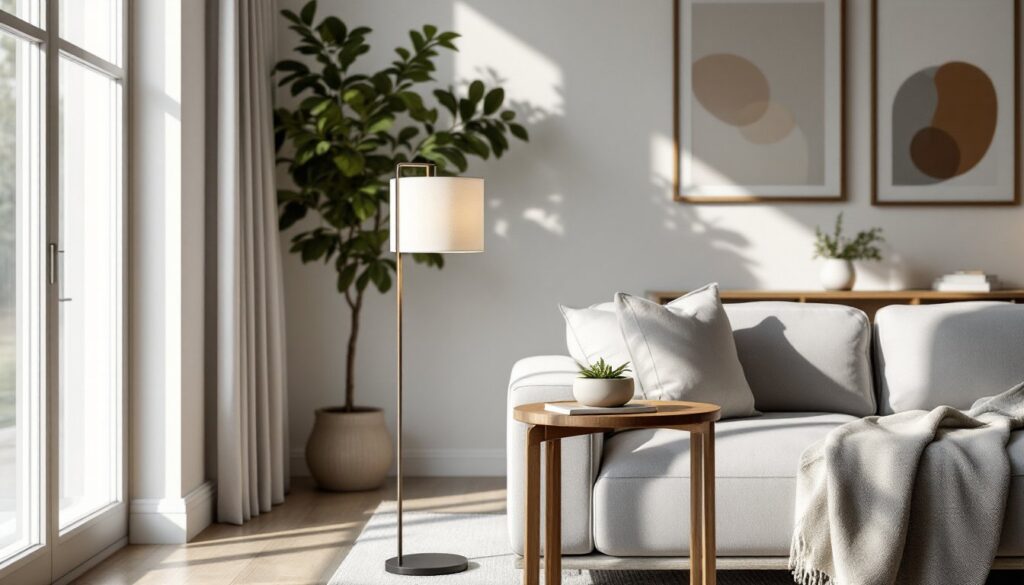
Lamp height matters more than most people think. For end tables beside sofas or chairs, the bottom of the lamp shade should sit at or just below eye level when seated, typically 58 to 64 inches from the floor. That prevents glare and directs light where it’s needed.
Measure the table’s height first. Most end tables are 24 to 27 inches tall. Add a lamp that’s 26 to 32 inches from base to top of shade, and the combined height hits the sweet spot. If the table is shorter (around 20 inches), go with a taller lamp to compensate.
Shade diameter should be proportional to the base and the table. A good rule: the shade’s widest point should be roughly two-thirds the height of the lamp base. On a 28-inch-tall lamp, that’s an 18- to 20-inch-wide shade. Too small, and the lamp looks top-heavy: too large, and it crowds the table.
For console tables or sideboards, use taller lamps (32 to 36 inches) to make a statement. These surfaces are often viewed from across the room, so the lamp needs visual weight. If placing two lamps on a single console, space them evenly, about 18 to 24 inches from the table’s edges, and ensure they’re identical or symmetrical in style.
Placement also affects overall lighting balance. Distribute lamps across the room rather than clustering them on one side. If there’s a floor lamp in one corner, add a table lamp on the opposite side to avoid dark pockets. Layer different light sources, overhead, table, floor, for a polished, well-lit space.
Matching Your Lamp to Your Living Room Decor
Start with the room’s dominant finish. If hardware is mostly brushed nickel or chrome, match the lamp base to that cool-toned metal. Warm finishes like aged brass or oil-rubbed bronze pair better with wood furniture and earth-toned textiles.
Shade color affects both light quality and visual weight. White or cream linen shades diffuse light evenly and keep the room feeling airy. They’re safe bets for neutral decor. Dark shades, charcoal, navy, or black, create drama and direct light downward, which works well for accent or task lighting but less so for ambient glow.
Texture plays a supporting role. A lamp with a ceramic or glazed base adds a touch of refinement to traditional or transitional spaces. Stone or concrete bases lean modern or industrial. Wood bases warm up contemporary or Scandinavian schemes. If the living room already has plenty of texture (patterned rugs, woven baskets), keep the lamp simple to avoid visual overload.
Consider the room’s color palette as well. If walls are a bold hue, deep green, terracotta, or navy, neutral lamps prevent clashing. If walls are white or gray, the lamp can introduce a pop of color or metallic sheen. According to interior design trends, 2026 favors earthy tones and organic materials, so lamps in clay, stone, or natural wood align with the current aesthetic.
For rooms with fireplace focal points, symmetry often works best. Flanking a mantel with matching lamps creates balance. In more eclectic spaces, mix finishes, pair a brass lamp on one side with a matte black lamp on the other, as long as shapes or shade styles share a common thread.
Practical Features That Make a Difference
Three-way bulbs (50/100/150-watt equivalents in LED form) are worth the extra few dollars. They let users dial in the exact brightness for any task, low for ambiance, medium for conversation, high for reading. Not all lamps support three-way sockets, so check the specs before buying.
Integrated USB ports or wireless charging pads are increasingly common in modern lamps. They eliminate the need for a separate charging block on the end table, which keeps the surface cleaner and reduces cord clutter. Look for models with at least one USB-A and one USB-C port for compatibility with most devices.
Dimmer compatibility is another must-have. Pair a dimmable LED bulb with a plug-in dimmer switch (or a smart plug with dimming function) to fine-tune light levels. Standard incandescent dimmers don’t always work well with LEDs, so verify compatibility or choose a lamp with a built-in dimmer.
Shade shape affects light distribution. Drum shades cast light evenly up and down. Empire shades (tapered, wider at the bottom) direct more light downward, which is better for reading. Bell or coolie shades offer a vintage look but can create shadows if the bulb sits too low.
Bulb choice impacts both efficiency and color rendering. LED bulbs use roughly 75% less energy than incandescents and last 15,000 to 25,000 hours. For living rooms, aim for a color temperature of 2700K to 3000K (warm white) to mimic the cozy glow of traditional bulbs. Higher Kelvin ratings (4000K+) feel clinical and are better suited for task lighting in kitchens or offices.
Cord length and plug design matter more than people realize. A 6- to 8-foot cord offers flexibility in placement, especially if outlets are scarce. Some lamps come with flat-profile plugs that sit flush against the wall, reducing the gap between furniture and baseboards, a small detail that makes a difference when space is tight.
Finally, consider weight and stability. A lamp on a high-traffic end table should have a weighted base or non-slip feet to prevent tipping. Lightweight ceramic or hollow resin bases look sleek but can topple if bumped. For homes with kids or pets, heavier materials like solid wood, stone, or cast metal are safer bets. For additional ideas on balancing function and style, modern decor guides often highlight lamps with practical, family-friendly features.