Table of Contents
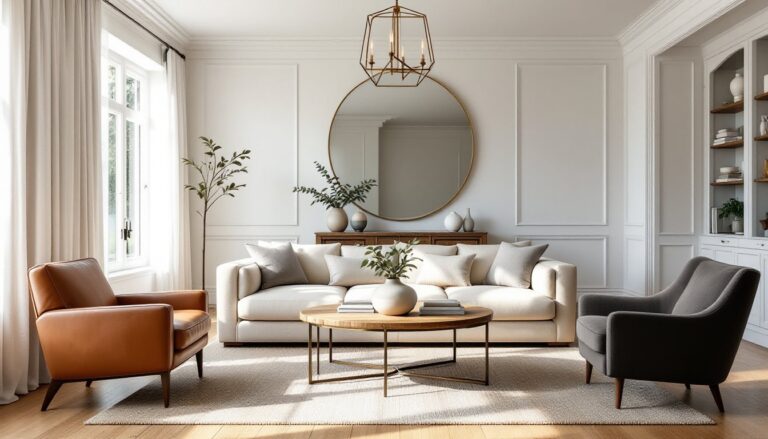
ToggleModern living room design isn’t about chasing trends or buying a whole catalog of overpriced furniture. It’s about creating a clean, functional space that feels intentional, where every piece has a purpose and the room doesn’t scream for attention. Whether you’re starting from scratch or refreshing a tired space, modern decor balances simplicity with comfort. In 2026, the shift is toward warm minimalism, layered textures, and smart design that works with how people actually live. This guide walks through the core elements, color, furniture, lighting, materials, and storage, so you can build a modern living room that looks pulled-together without feeling sterile.
Key Takeaways
- Modern living room decor prioritizes clean lines, neutral color palettes, and intentional design choices where every piece serves a functional purpose rather than following fleeting trends.
- Layer textures and materials—such as wool rugs, linen curtains, and wood finishes—to prevent minimalist spaces from feeling sterile while maintaining visual simplicity.
- Three-tier lighting strategy (ambient, task, and accent) is essential to transform a modern living room from looking empty to feeling warm, functional, and inviting.
- Measure furniture placement carefully and maintain at least 18 inches between the coffee table and sofa to ensure proper traffic flow and spatial balance.
- Smart storage solutions like floating shelves, media consoles with closed cabinets, and hidden-compartment ottomans keep surfaces clear and preserve the uncluttered aesthetic modern living rooms demand.
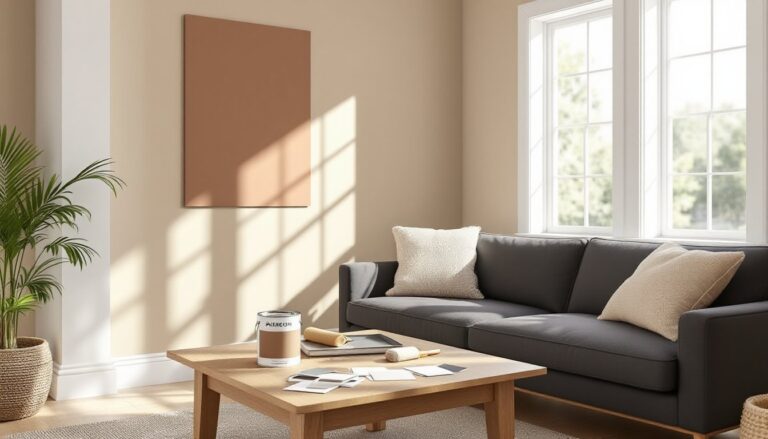
- Test paint samples in natural lighting before committing, as warm whites and greige tones create a more livable modern space than stark, clinical cool whites.
What Defines Modern Living Room Style?
Modern design traces back to mid-century minimalism but has evolved into something more livable. It’s characterized by clean lines, open floor plans, and a lack of ornate detail. Think flat-panel cabinetry, furniture with exposed legs, and windows without heavy drapes.
The palette leans neutral, whites, grays, taupes, blacks, but modern doesn’t mean cold. Warm woods, natural fibers, and strategic pops of color keep the space from feeling like a showroom. Furniture sits low to the ground, and there’s a strong emphasis on negative space. You won’t see heavy molding, fussy patterns, or tchotchkes cluttering surfaces.
Functionality drives every choice. Multi-use furniture, hidden storage, and uncluttered sightlines are hallmarks. If something doesn’t serve a purpose or bring visual balance, it doesn’t belong. This isn’t about being precious, it’s about making a room that’s easy to live in and easier to maintain.
Color Palettes That Elevate Modern Spaces
Start with a neutral base: white, light gray, or warm beige on walls. These shades reflect light and create the blank canvas modern design needs. Greige (gray-beige hybrid) has staying power because it works with both cool and warm tones.
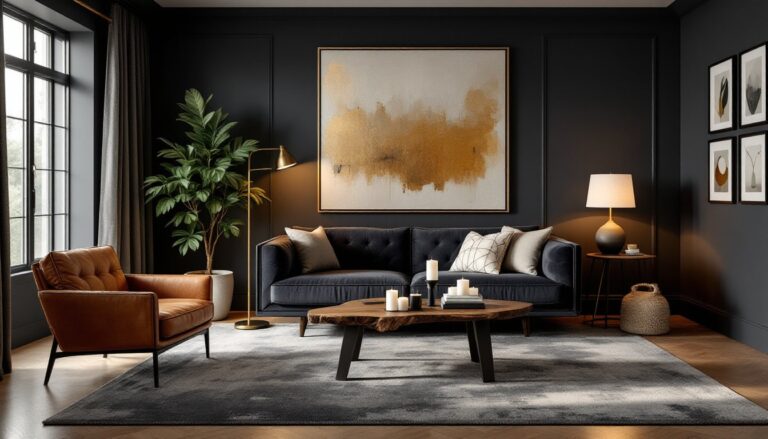
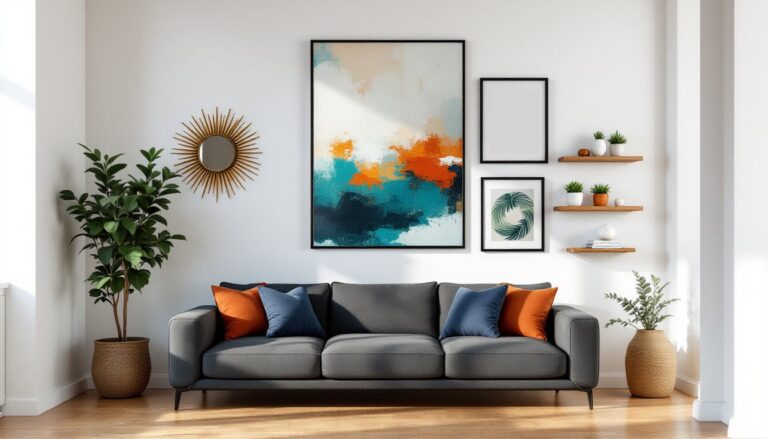
For accent colors, choose one or two and use them sparingly. Charcoal, navy, olive green, or terracotta work well. Bring them in through throw pillows, a single accent chair, or artwork, not by painting an entire wall unless the room has excellent natural light.
Monochromatic schemes are safe but can feel flat. Add depth by layering shades of the same color family. Pair a soft gray sofa with darker gray pillows and a light gray rug. The variation creates visual interest without busy-ness.
If you’re working with color schemes for living rooms, test paint samples in different lighting conditions before committing. What looks crisp at noon might read dull at dusk. Most modern spaces benefit from warmer whites (those with a slight cream or yellow undertone) rather than stark, cool whites, which can feel clinical.
Furniture Selection for a Contemporary Look
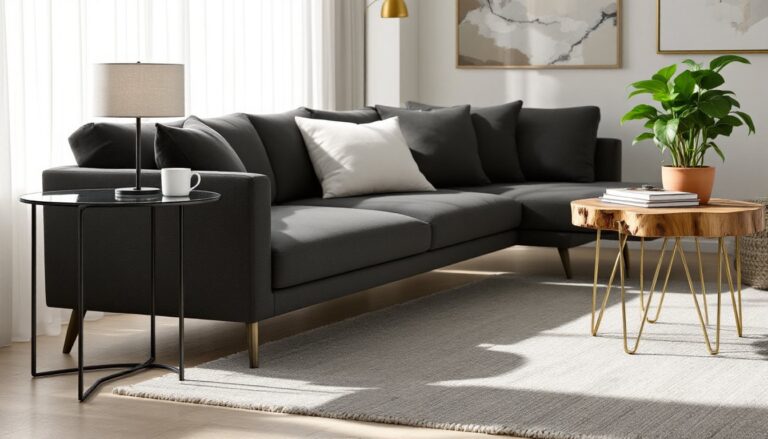
Modern furniture is about proportion and restraint. Sofas should have clean silhouettes, straight or slightly tapered arms, no skirts, and legs that are either exposed wood or metal. Avoid overstuffed cushions that swallow you: go for firmer seating with tailored upholstery.
Materials matter. Leather (real or high-quality faux), linen, and performance fabrics in solid colors are workhorses. Steer clear of busy prints unless you’re adding a single statement piece.
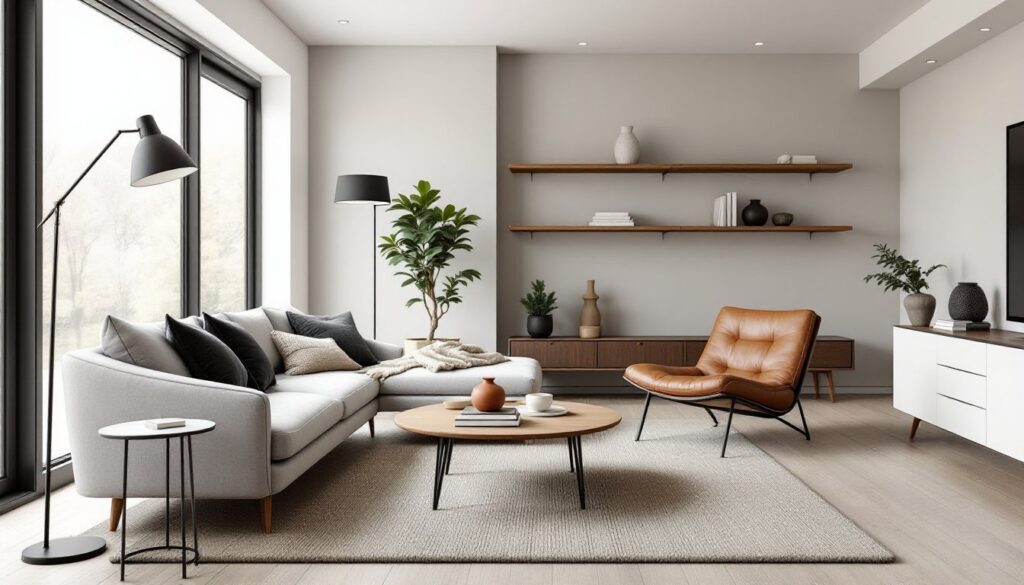
Coffee tables in modern spaces are often wood, glass, or metal, sometimes a combination. A solid walnut slab on hairpin legs or a smoked glass top with a powder-coated steel frame both work. Keep the scale in check: a coffee table should be about two-thirds the length of the sofa.
For seating beyond the sofa, consider a pair of armchairs or a single lounge chair in a complementary material. Design Milk regularly features well-designed chairs that balance form and comfort without tipping into museum-piece territory.
Measure before you buy. A sectional might look great online, but if it blocks walkways or overwhelms the room, it’s wrong for the space. Leave at least 18 inches between the coffee table and sofa, and ensure traffic flow isn’t choked.
Lighting Solutions to Enhance Your Modern Living Room
Lighting is where modern living rooms either come together or fall apart. You need three types: ambient, task, and accent.
Ambient lighting is your base layer, overhead fixtures, recessed cans, or a flush-mount ceiling light. In modern spaces, recessed LED fixtures (4-inch or 6-inch housings) are common. Space them evenly and use dimmable bulbs (2700K–3000K color temperature) to adjust mood.
Task lighting is for reading, working, or other activities. Floor lamps with adjustable arms or table lamps with linen or fabric shades work well. Avoid ornate bases: go for simple geometric shapes or matte black metal.
Accent lighting highlights artwork, architectural features, or textures. Track lighting, picture lights, or LED strip lights under floating shelves add dimension. Don’t overdo it, two or three accent points are enough.
Consider pendant lights over a side table or in a corner instead of a traditional floor lamp. A single sculptural pendant can act as both light source and art. When selecting fixtures, look for pieces that echo the room’s material palette, brushed brass, matte black, natural wood, or frosted glass.
For more on pairing fixtures with modern aesthetics, resources like best lighting for living rooms offer practical comparisons across fixture types and layouts.
Texture and Materials: Adding Depth Without Clutter
Modern doesn’t mean everything’s smooth and glossy. Texture is what keeps minimalist spaces from feeling sterile. Layer materials with different finishes: a wool rug underfoot, linen curtains, a leather sofa, a chunky knit throw, and a wood side table.
Rugs anchor the space and define zones in open-plan layouts. Wool or jute rugs in natural tones work best. Size matters, your rug should extend at least 12 inches beyond the front legs of the sofa and chairs, ideally getting all legs on the rug.
Wood tones add warmth. Mix species if you like, but keep finishes consistent (all matte or all satin, not both). Walnut, oak, and ash are modern staples. Avoid orange-toned wood stains that skew traditional.
Metal accents, brushed brass, matte black steel, polished chrome, can tie a room together. Use them in lamp bases, table legs, hardware, or picture frames. Stick to one or two metal finishes to avoid a chaotic look.
Textiles should be high-quality but not fussy. Skip the fringe, tassels, and ruffles. A simple linen pillow cover or a felted wool throw does the job. Layering a cowhide or sheepskin over a jute rug adds contrast without pattern overload. Homedit often showcases rooms where material layering is done right, study the proportions and restraint.
Smart Storage and Functional Design Elements
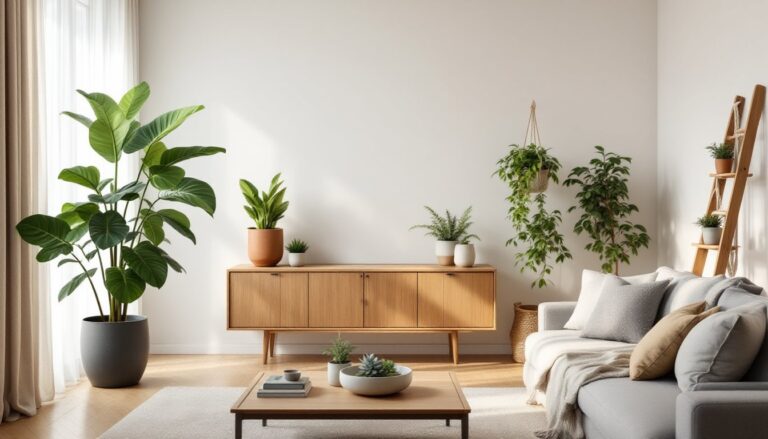
Clutter kills modern design faster than anything. Built-in storage is ideal but not always feasible. Floating shelves, media consoles with closed cabinets, and ottomans with hidden compartments all help.
Floating shelves in wood or powder-coated steel keep the floor clear and make walls feel taller. Keep styling minimal: a few books, a small plant, one sculptural object. Don’t cram them.
Media consoles should be low-profile with clean fronts, no glass doors or open cubbies stuffed with DVDs. Cable management matters. Use adhesive clips, sleeves, or in-wall conduit (if you’re comfortable cutting drywall and patching). Visible cable spaghetti breaks the illusion.
If you’re working with small living rooms, consider furniture that does double duty: a coffee table with a lift-top for dining or working, a sofa with storage underneath, or nesting tables that tuck away.
Modularity is a modern strength. Modular shelving systems (like wall-mounted track shelving) let you adjust as needs change. Avoid anything too custom or built-in if you rent or plan to move.
Keep surfaces clear. A single vase, a stack of two or three books, or a small tray for remotes is enough. The goal is to look intentional, not staged. If you need to display collections, dedicate one shelf or cabinet and keep the rest sparse.
Conclusion
Modern living room design is less about following a formula and more about making deliberate choices. Stick to a tight color palette, choose furniture with clean lines and solid construction, layer textures thoughtfully, and keep clutter in check. Good lighting and smart storage aren’t optional, they’re what separate a well-executed modern space from one that just looks empty. The result should feel calm, functional, and like a place you actually want to spend time.