Table of Contents
ToggleA small living room doesn’t mean settling for cramped or cluttered. With the right approach, compact spaces can deliver just as much style, comfort, and function as sprawling great rooms, sometimes more, because every square foot has to earn its keep. The challenge isn’t the size: it’s making smart choices about furniture scale, color, storage, and layout. Whether you’re working with a 10×12 footprint or an oddly-shaped studio corner, the strategies below will help you create a modern living room that feels open, organized, and genuinely livable.
Key Takeaways
- Modern small living room ideas succeed when furniture is scaled to the space—look for sofas 72–78 inches long and pieces with visible legs to create visual breathing room.
- Light neutrals and monochromatic color schemes make small spaces feel larger by reflecting light and eliminating visual hard stops, while dark walls work only with bright natural light and airy furnishings.
- Vertical storage, hidden compartments, and multi-function pieces like lift-top ottomans eliminate clutter and keep surfaces clear without sacrificing square footage.
- Layered lighting with ambient, task, and accent sources—including wall sconces and uplighting—expands perceived height and prevents small rooms from feeling cramped.
- Floating furniture 12–18 inches into the room and using rugs as anchors define zones and improve flow, especially in studio or open-plan layouts.
- Edit decorative elements ruthlessly; choose one large-scale piece of art and two to four plants rather than cluttering surfaces, and use texture and accent colors through swappable pillows and throws.
Smart Furniture Choices for Compact Living Rooms
Furniture selection makes or breaks a small living room. Oversized pieces eat up floor space and sightlines: undersized ones look like dollhouse rejects. The sweet spot is furniture that fits the room’s proportions while delivering maximum utility.
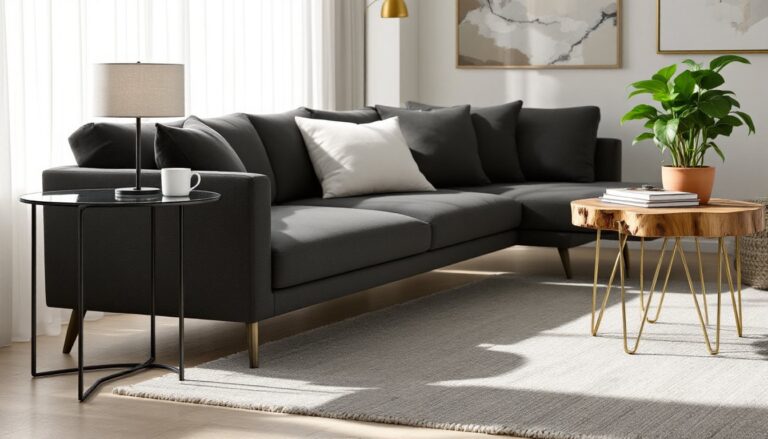
Sofa scale matters. In rooms under 150 square feet, look for sofas between 72 and 78 inches long. Apartment-sized sectionals (sometimes called “small-scale sectionals”) work well in square rooms, but measure carefully, most L-shaped configs need at least 10 feet on each wall to avoid a jammed-in look. If you’re uncertain about sizing, choosing the right sofa for compact spaces can prevent costly mistakes.
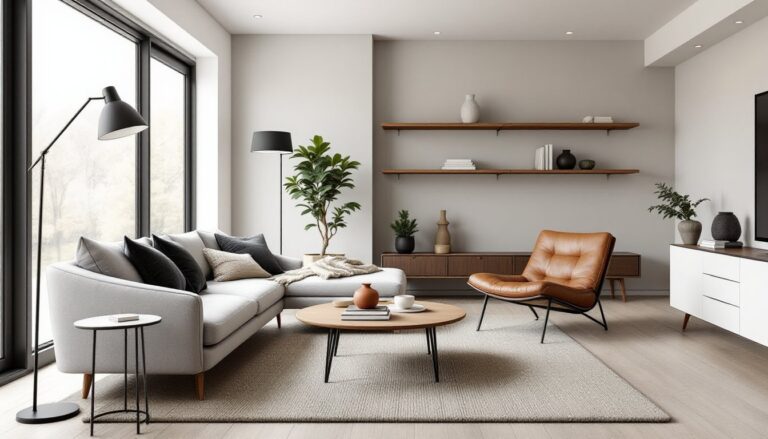
Legs, not skirts. Furniture with visible legs (at least 4–6 inches of clearance) creates visual breathing room. Skirted sofas and chunky upholstered bases make small rooms feel bottom-heavy. Mid-century modern, Scandinavian, and contemporary styles tend to favor raised profiles.
Multi-function pieces pay off. Ottomans with lift-top storage, nesting coffee tables, and sleeper sofas earn their footprint. A storage ottoman can replace both a coffee table and a linen closet. Nesting side tables tuck away when not in use, freeing up circulation space.
Arm style affects perceived width. Track arms and English rolled arms add 6–8 inches per side compared to sloped or no-arm designs. In a narrow room (under 10 feet wide), that difference is real. Armless loveseats and low-profile track arms keep the visual bulk down.
Avoid pushing all furniture against the walls. Floating a sofa a few inches off the wall (even 12 inches) can define zones and improve flow, especially in open-plan layouts.
Color Palettes That Make Small Spaces Feel Larger
Color is one of the fastest, cheapest ways to expand a room visually, or shrink it. The right palette won’t add square footage, but it will change how the space registers to your eye.
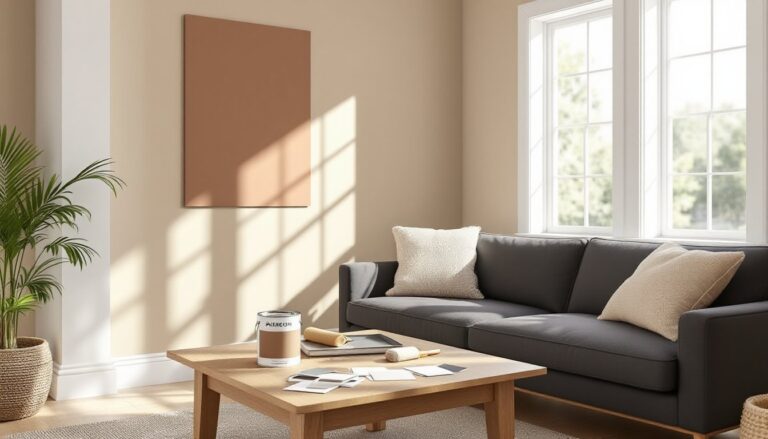
Light neutrals reflect more light. Whites, soft grays, greiges, and pale taupes bounce natural and artificial light around the room, making walls recede. Benjamin Moore White Dove and Sherwin-Williams Agreeable Gray are go-to’s for a reason, they’re warm enough to avoid feeling sterile but light enough to open things up. Designers working on color strategies for living spaces often emphasize light-reflective tones for exactly this reason.
Monochromatic schemes reduce visual chop. When walls, trim, and ceiling share similar tones (even if not identical), the eye doesn’t hit hard stops. This creates the illusion of continuity. A living room painted in varying shades of one color family, say, three tones of gray from LRV 70 to LRV 85, feels larger than one with stark white trim, navy walls, and a contrasting ceiling.
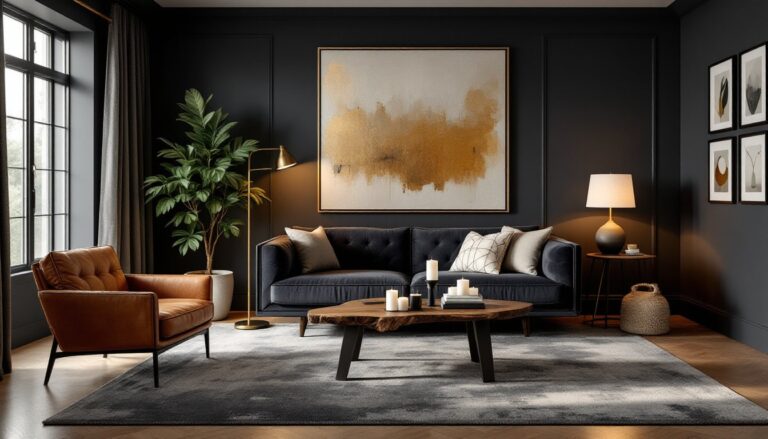
Dark walls can work, but with caveats. Deep charcoal, forest green, or navy can make a small room feel cozy rather than cave-like, especially if you have good natural light and pale furnishings. The key is balance: dark walls, light floors, and airy furniture keep the space from closing in. Don’t go dark if your room has a single small window and low ceilings.
Cool tones recede: warm tones advance. Blues, greens, and cool grays create a sense of depth. Warm reds, oranges, and yellows pull walls forward visually. If you want warmth, bring it in through textiles and accessories rather than wall color.
Ceiling color matters. Painting the ceiling a shade or two lighter than the walls (or keeping it white) lifts the eye. A flat or matte finish on the ceiling minimizes glare. Skip high-gloss anywhere in a small room, it exaggerates imperfections and creates hot spots.
Clever Storage Solutions to Eliminate Clutter
Clutter kills the modern aesthetic and makes small rooms feel smaller. Built-in and hidden storage keeps surfaces clear and sightlines open.
Vertical storage is underused real estate. Floor-to-ceiling shelving units (like IKEA’s Billy or custom-built options) take advantage of height without eating floor space. Keep lower shelves open or use low-profile bins: reserve upper shelves for books, decor, or items you don’t access daily. Wall-mounted cabinets and floating shelves work in rooms where freestanding units would block pathways.
Behind-the-sofa consoles add function. If your sofa floats in the room, a narrow console table (10–14 inches deep) behind it provides display and storage without taking up extra square footage. Use baskets underneath for remotes, chargers, and magazines.
Ottoman and bench storage hides everyday mess. A lift-top ottoman can swallow throw blankets, kids’ toys, or board games. Bench seating with hinged lids works along a wall or under a window.
Media consoles with closed storage beat open shelving. In a modern small living room, visual noise is the enemy. A low-profile media console (60–70 inches for most small rooms) with doors or drawers keeps electronics, cords, and clutter out of sight. Cable management clips and raceways prevent the spaghetti tangle behind the TV.
Don’t forget entryway and transition zones. If your living room doubles as the entry, a slim coat rack, wall hooks, or a shallow credenza prevents shoes and bags from colonizing the coffee table.
Storage doesn’t have to be utilitarian. Woven baskets, leather bins, and wood crates add texture while keeping things tidy.
Lighting Techniques to Open Up Your Space
Lighting is as structural as framing when it comes to how a room feels. Poor lighting makes even a well-designed small living room feel cramped and flat.
Layer your lighting. A single overhead fixture is rarely enough. Aim for three layers: ambient (general illumination), task (reading, work), and accent (artwork, architectural features). In a small room, this might mean a flush-mount ceiling fixture, a floor lamp near the sofa, and a table lamp on a console.
Recessed lighting can expand perceived height. If you’re remodeling and can install canned lights, 4-inch LED recessed fixtures spaced 4–6 feet apart provide even, shadow-free illumination without hanging into the room. Use a dimmer so you can adjust intensity. Many homeowners researching effective lighting for living rooms find that dimmers make a huge difference in mood and versatility.
Wall sconces free up floor space. Swing-arm or fixed wall sconces flank a sofa or reading chair without taking up side table real estate. Mount them 60–66 inches from the floor (to the center of the fixture) for reading height.
Uplighting opens the ceiling. Torchiere floor lamps or LED strip lighting behind crown molding bounce light off the ceiling, making it feel higher. This is especially effective in rooms with 8-foot ceilings.
Maximize natural light. Swap heavy drapes for sheer panels or cellular shades that you can raise fully. Keep window sills clear. If privacy isn’t an issue, skip window treatments entirely on south- or west-facing windows.
Avoid overly large fixtures. A chandelier or pendant that’s too big visually weighs down a small room. For rooms under 150 square feet, pendant diameter should stay under 20 inches. Use the formula: room length + width (in feet) = fixture diameter in inches as a rough guide.
Layout and Zoning Strategies for Multi-Purpose Rooms
Small living rooms often pull double (or triple) duty: TV lounge, home office, guest sleeping area. Smart zoning keeps functions separate without walls or heavy dividers.
Float furniture to define zones. Pushing everything against the walls is intuitive but often wrong. Floating the sofa 12–18 inches into the room creates a clear seating zone and makes space for a narrow console or desk behind it. This is key in studio apartments or open-plan layouts where the living room bleeds into the kitchen or bedroom.
Use rugs as visual anchors. An area rug under the seating group (with at least the front legs of all furniture on the rug) defines the conversation zone. In a multi-purpose room, a second small rug under a desk or dining table signals a separate activity area. Stick to 5×7 or 6×9 rugs in rooms under 150 square feet, anything larger overwhelms.
Bookcases and open shelving act as dividers. A freestanding bookcase placed perpendicular to a wall creates a subtle boundary without blocking light or sightlines. Keep it under 72 inches tall to maintain an open feel.
Traffic flow trumps symmetry. Leave at least 24–30 inches of clear pathway around furniture. In tight quarters, that might mean an asymmetrical layout: sofa on one wall, two accent chairs at an angle, rather than a matching sofa and loveseat that choke the room.
Consider the “activity radius.” Every function (watching TV, reading, conversation) has an ideal furniture arrangement. TV viewing works best with seating 7–10 feet from the screen: conversation zones need seats no more than 8 feet apart. If you can’t accommodate both, decide which matters more and design around that.
Fold-down or expandable furniture adapts to changing needs. Wall-mounted drop-leaf tables, Murphy beds, and nesting ottomans let you reconfigure the room as needed. They’re especially useful if you host guests regularly but don’t want furniture sitting idle the rest of the time.
Decorative Touches That Add Character Without Overcrowding
Modern design favors restraint, but that doesn’t mean cold or empty. The right decorative elements add personality without clutter.
Edit ruthlessly. In a small living room, every decorative object should earn its place. Three well-chosen items on a console beat a dozen tchotchkes fighting for attention. Interior designers at Apartment Therapy often emphasize the “less is more” principle when styling compact spaces.
Large-scale art makes a bigger impact than gallery walls. A single 36×48-inch or 40×60-inch piece above the sofa creates a focal point without the visual busyness of multiple smaller frames. If you love gallery walls, keep frames uniform in color and mat style to reduce chop.
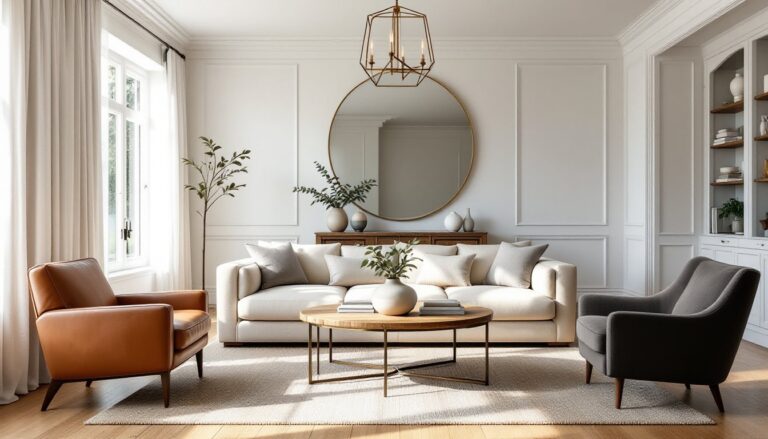
Mirrors amplify light and space. A large mirror opposite a window reflects natural light and doubles the view. Lean an oversized mirror (30×40 inches or larger) against the wall for a casual, modern look, or mount it securely if you have kids or pets. Avoid mirrored furniture or walls of mirror tile, they read dated.
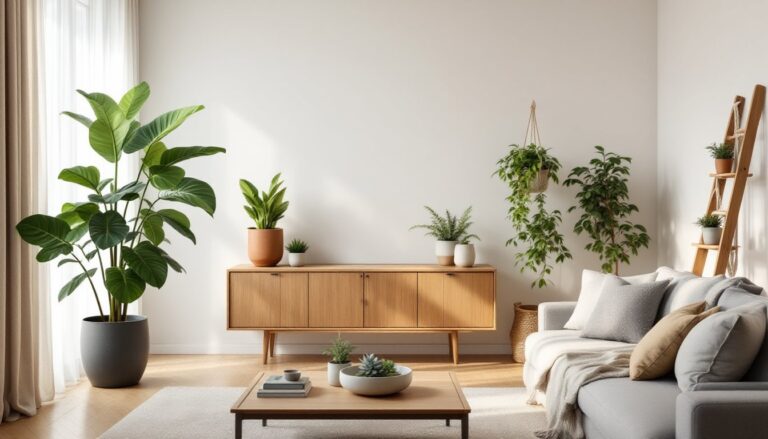
Plants add life without bulk. Tall, narrow plants like fiddle-leaf figs or snake plants fit in corners and draw the eye up. Wall-mounted planters and hanging pots keep surfaces clear. Stick to two to four plants max: more than that can feel chaotic in a small room.
Texture over pattern. In modern small spaces, texture (linen, wool, jute, leather) adds richness without the visual noise of busy patterns. A chunky knit throw, a jute rug, and linen curtains layer interest while keeping the palette calm. Ideas from Decoist and Homedit frequently highlight textural layering as a hallmark of contemporary design.
Stick to one or two accent colors. A neutral base (white, gray, beige) with one or two accent colors (navy and brass, or sage and terracotta) feels cohesive. Introduce accents through pillows, throws, and small decor items, things you can swap out easily.
Keep windowsills and coffee tables clear. A cluttered coffee table telegraphs “small and messy.” Use a tray to corral remotes and coasters, and resist the urge to cover every surface.
Conclusion
Designing a modern small living room is less about square footage and more about intentionality. Every furniture choice, color decision, and storage solution shapes how the space functions and feels. Stick to scaled-down furniture, light-reflective colors, hidden storage, layered lighting, and purposeful zoning, and even a compact footprint can deliver comfort, style, and breathing room.