Table of Contents
ToggleWalking into a living room with awkward seating is like trying to have a conversation in a furniture showroom, it just doesn’t work. The right seating arrangement transforms a space from “just another room” into the heart of the home. Whether dealing with a sprawling great room or a tight 10×12 space, strategic seating choices determine how people actually use the room. This guide cuts through the Pinterest fluff and covers practical seating configurations that balance comfort, traffic flow, and real-world durability. No vague inspiration here, just concrete ideas homeowners can carry out this weekend.
Key Takeaways
- Proper traffic flow and clearance—at least 30 inches for walkways and 14–18 inches between furniture and coffee tables—are essential before selecting any living room seating ideas.
- Classic sofa and loveseat combinations offer flexibility and durability when paired with kiln-dried hardwood frames and high-resilience foam cushions rated for 50,000+ double rubs of abrasion resistance.
- Modular sectionals provide the most adaptability for modern families, with L-shaped and U-shaped configurations that work best in rooms over 200 square feet.
- Accent chairs solve space constraints while adding character through wingback, swivel, or mid-century modern designs that introduce color and pattern without overwhelming the layout.
- Floating furniture 12–18 inches away from walls and angling chairs 15–30 degrees inward creates intimate conversation zones within 8 feet of each other, avoiding the disconnected “hotel lobby” effect.
- Layering textures—leather, linen, velvet—and choosing durable performance fabrics transforms living room seating from a showroom display into a livable, long-lasting family space.
Understanding Your Living Room Seating Needs
Before buying a single piece of furniture, measure the room and identify traffic patterns. A common mistake is cramming in a sectional that blocks the path to the kitchen or dining room.
Traffic flow requires at least 30 inches of clearance for walkways and 14-18 inches between a coffee table and sofa edge. Mark these zones with painter’s tape on the floor before shopping.
Consider who actually uses the room. Families with young kids need durable, cleanable fabrics like performance polyester or treated microfiber. Empty nesters hosting book clubs might prioritize conversational seating over a media-focused layout. Pet owners should look for tight-weave fabrics that resist snagging and hair accumulation.
Load-bearing walls and structural elements also dictate placement. Don’t push heavy sectionals against exterior walls with baseboard heaters or block HVAC vents, both reduce efficiency and can damage furniture over time.
Measure doorways and stairwells too. A modular sectional ships in pieces: a one-piece sofa might not fit through a 32-inch door opening. Always check actual dimensions, not just the product page specs.
Classic Sofa and Loveseat Combinations
The traditional sofa-loveseat pairing remains popular for good reason: flexibility. This setup works in rectangular rooms roughly 12×16 feet or larger, positioned perpendicular or in an L-shape to define conversation zones.
Standard sofa dimensions run 84-96 inches long, seating three adults comfortably. Loveseats typically measure 58-64 inches. Position them with 4-6 feet between facing pieces to allow easy conversation without shouting.
This arrangement leaves wall space for accent chairs, bookshelves, or media consoles. It’s also easier to move than a sectional, helpful for renters or homeowners who like switching layouts seasonally.
For durability, look for kiln-dried hardwood frames (maple, oak, or beech) with corner blocks and double-doweled joints. Avoid particleboard or softwood frames in high-use areas: they sag within 2-3 years under normal use.
Cushion fill matters as much as frame construction. High-resilience foam (minimum 1.8 density) wrapped in polyester batting holds shape better than cheap polyfoam. Down-blend cushions offer luxury but require daily fluffing and aren’t ideal for homes with allergy sufferers.
Fabric choice impacts longevity. Performance fabrics like Crypton or Sunbrella resist stains and can handle 50,000+ double rubs (the industry abrasion test). Budget 12-15 yards of fabric for a standard sofa if reupholstering down the line.
Sectional Sofas for Modern Family Living
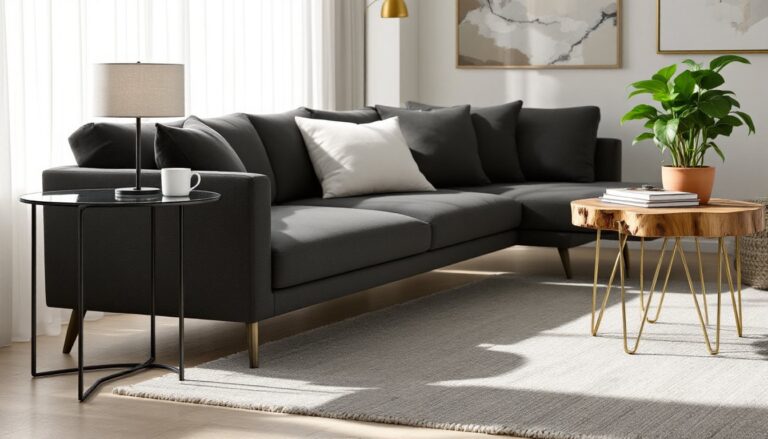
Sectionals maximize seating in open-concept homes, especially L-shaped or U-shaped configurations that anchor a living zone without walls.
Modular sectionals offer the most flexibility, individual pieces connect via brackets or clips, allowing reconfiguration as needs change. This beats a one-piece sectional that’s impossible to move solo or fit through narrow hallways.
For rooms under 200 square feet, stick to a three-piece L-shaped sectional (roughly 100×100 inches). Anything larger overwhelms the space and blocks sightlines. In larger great rooms (300+ square feet), U-shaped sectionals with a chaise provide stadium seating for movie nights without extra chairs.
The chaise placement matters more than most realize. Right-arm-facing (RAF) versus left-arm-facing (LAF) chaises determine how the sectional fits against walls and windows. Measure carefully and sketch the layout, retailers rarely accept returns on custom sectional configurations.
Sleeper sectionals add guest accommodation but compromise everyday comfort. The mattress mechanism makes the seat deck firmer, and the backrest sits shallower (typically 35-36 inches deep versus 40+ on standard sectionals). Only add this feature if guest sleeping genuinely outweighs daily comfort.
Sectionals also create cozy living spaces when paired with soft throws and area rugs that define the seating zone. Anchor with a rug extending 12-18 inches beyond all furniture edges to visually unify the pieces.
Accent Chairs That Add Character and Function
Accent chairs solve the “one more seat” problem without committing to a larger sofa. They’re also the easiest way to introduce pattern, color, or a second seating material.
Wingback chairs offer classic style and surprising comfort, the high back and side wings block drafts and provide head support. They work well flanking a fireplace or in reading nooks. Look for frames with webbing suspension and sinuous springs rather than cheap elastic straps.
Mid-century modern lounge chairs (think Eames-style molded plywood or leather sling chairs) suit contemporary spaces. These typically run 30-32 inches wide, perfect for tight corners. Many lounge chair designs prioritize aesthetics over all-day comfort, so test before buying if they’ll see heavy use.
Swivel chairs have made a comeback and solve awkward corner placements. The 360-degree rotation lets users face the TV, join a conversation group, or gaze out a window without moving the chair. Ensure the swivel base is metal (not plastic) and rated for at least 250 pounds.
Armless slipper chairs slide under console tables or tuck into corners, occupying minimal visual space. They’re excellent for small living areas but lack the support for extended sitting, think extra seating during parties, not daily use.
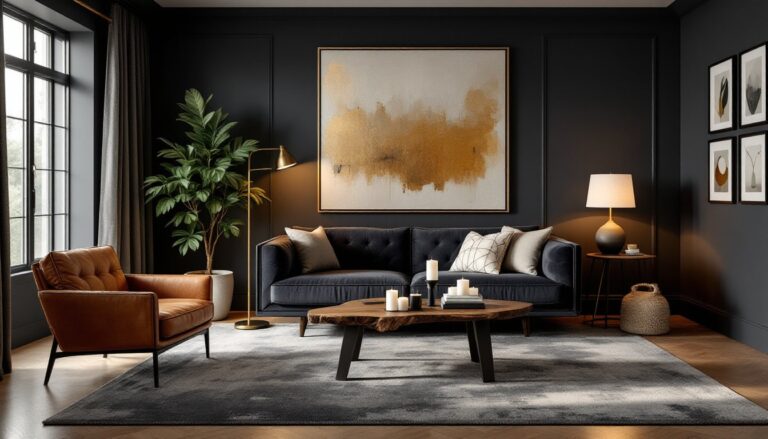
Interior design resources often highlight how mixing chair styles creates layered, collected looks rather than matchy-matchy showroom vibes. Pair a velvet wingback with a leather sofa, or combine wood-frame Scandinavian chairs with an upholstered sectional.
Space-Saving Seating Solutions for Small Living Rooms
Small rooms demand creative thinking. Every piece must earn its square footage through dual function or space efficiency.
Apartment-scale sofas measure 68-80 inches long versus standard 84-96 inches, trimming just enough to fit tight spaces without sacrificing seating. Pair with a compact loveseat (54 inches) or armless settee for flexible arrangements. Design blogs covering apartment living strategies frequently showcase these scaled-down pieces in action.
Benches offer backless seating that tucks under console tables or windows. A 60-inch upholstered bench provides three seats for guests but doesn’t visually clutter when not in use. Add throw pillows for back support during longer gatherings.
Ottoman-as-seating works if you choose sturdy cube ottomans or tufted squares with firm cushioning. Top with a tray for drinks and remove it when extra perches are needed. Look for storage ottomans with hinged lids, they hide blankets, remotes, and magazines while doubling as coffee tables.
Wall-mounted flip-down seats (like Murphy chairs) remain niche but solve extreme space constraints in studios or micro-apartments. These require mounting to wall studs with lag bolts rated for 200+ pounds per seat. Check local building codes, some jurisdictions classify these as fixed furnishings requiring permits.
Smaller sectionals designed for compact living rooms come in two-piece L-configurations that provide sectional comfort without eating the entire floor plan. Avoid bulky rolled arms: track arms and English arms save 4-6 inches per side.
Floating furniture away from walls actually makes small rooms feel larger by creating depth and walkable perimeters. Leave at least 3-4 inches between furniture backs and walls to avoid a “pushed-in” look.
Creating Conversation Areas with Strategic Seating Layouts
Arranging furniture for conversation requires understanding sight lines and comfortable speaking distances. The goal is making eye contact easy without neck strain.
The 8-foot rule applies to conversational seating: place primary pieces within 8 feet of each other. Beyond that distance, normal conversation volume requires raised voices, making the setup feel disconnected.
Symmetrical layouts (two sofas facing each other, or a sofa opposite two matching chairs) work in formal living rooms. Asymmetrical arrangements feel more relaxed and suit family rooms better, one sofa, one loveseat at 90 degrees, plus an accent chair.
Angle chairs 15-30 degrees inward rather than facing straight ahead. This subtle shift opens up sightlines and invites participation without making guests feel like they’re in a police lineup.
Circular or U-shaped arrangements maximize group conversations. Position furniture around a central coffee table or rug, leaving one side open for traffic flow. This works especially well for designing smaller spaces where every inch counts.
In dual-purpose rooms (living room plus home office, or combined dining), use seating to define zones. A sofa back can delineate the living area from a desk zone without needing walls or curtains. Pair with an area rug that anchors the seating pieces but stops before the desk.
Avoid pushing all furniture against walls. Pull the sofa 12-18 inches away from the wall and float accent chairs to create intimate groupings within larger rooms. This prevents the “hotel lobby” effect where everyone sits along the perimeter.
Color psychology also influences conversation. Coordinating room color palettes creates visual cohesion that makes grouped seating feel intentional rather than random.
Layering textures, leather sofa, linen chairs, velvet ottoman, adds visual interest that encourages people to settle in. Flat, monotone arrangements feel sterile even with perfect spacing. Current trends in modern home layouts emphasize mixing materials for this exact reason.
Conclusion
Smart seating choices come down to measuring twice, considering traffic flow, and prioritizing durability over trendy aesthetics. Whether arranging a classic sofa pair or configuring a modular sectional, the fundamentals remain constant: maintain walkway clearances, position pieces for conversation, and choose materials that survive real-world use. Get the bones right, and the room works for years.