Table of Contents
ToggleChoosing a modern sofa isn’t about chasing trends, it’s about finding a piece that anchors your living room while standing up to daily use. The right sofa balances form and function, offering clean lines and comfort without sacrificing durability. In 2026, modern design leans toward modularity, sustainable materials, and versatile colorways that adapt as your space evolves. Whether you’re furnishing a compact apartment or a spacious family room, understanding construction, scale, and fabric choices separates a smart buy from a regrettable impulse. This guide walks through what matters: the design features that define modern sofas, sizing considerations, material trade-offs, and color strategies that work in real homes.
Key Takeaways
- Modern sofas for living rooms prioritize clean geometry, low-profile frames, and durability through kiln-dried hardwood frames with eight-way hand-tied springs or sinuous support systems.
- Measure your room carefully—subtract 36 inches for walkways, check door widths of at least 32 inches, and leave 14–18 inches between the sofa and coffee table for comfort and flow.
- Choose upholstery based on lifestyle: performance fabrics withstand high traffic, natural fibers age beautifully, and full-grain leather develops character while faux leather requires replacement every 3–5 years.
- Modular and sectional modern sofas offer flexibility for open-plan layouts, while mid-century and minimalist designs anchor contemporary interiors through tapered legs and balanced silhouettes.
- Neutral colors like gray and beige provide timeless appeal and let artwork and décor shine, while bold jewel tones and earth tones require ample natural light and work best as intentional design statements.
- Sustainable certifications like FSC-certified wood, CertiPUR-US foam, and recycled fabrics are now mainstream, but verify documentation to avoid greenwashing in modern sofa purchases.
What Defines a Modern Sofa in 2026?
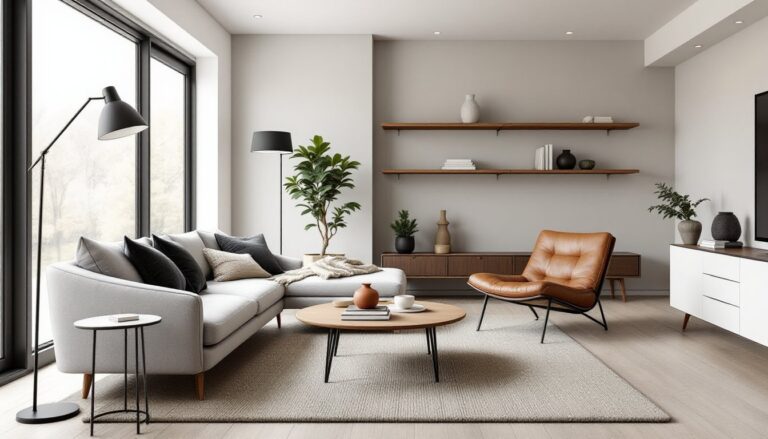
Modern sofas in 2026 emphasize clean geometry, low-profile frames, and minimal ornamentation. Unlike traditional styles with rolled arms and tufted backs, modern designs feature straight lines, track arms, or tapered legs, often in wood or metal. The silhouette tends to be horizontal and grounded, with seat heights typically 16–18 inches off the floor.
Construction matters as much as aesthetics. Look for kiln-dried hardwood frames (maple, oak, or beech) joined with dowels and corner blocks, not just staples. Quality modern sofas use eight-way hand-tied springs or sinuous (S-shaped) springs for support. High-density foam cushions (1.8 pounds per cubic foot or higher) hold their shape better than cheaper polyurethane fill.
Sustainability has moved from niche to mainstream. Many manufacturers now offer FSC-certified wood, CertiPUR-US foam (free of harmful chemicals), and upholstery made from recycled polyester or organic cotton. If certifications matter to you, ask for documentation, greenwashing is common.
Modern sofas also prioritize modularity and adaptability. Removable covers, reversible cushions, and reconfigurable sections let the piece evolve with your needs. This isn’t just about aesthetics: it’s practical for homeowners who move, renovate, or simply want to refresh a room without replacing furniture.
Top Modern Sofa Styles to Consider
Mid-Century Modern and Minimalist Designs
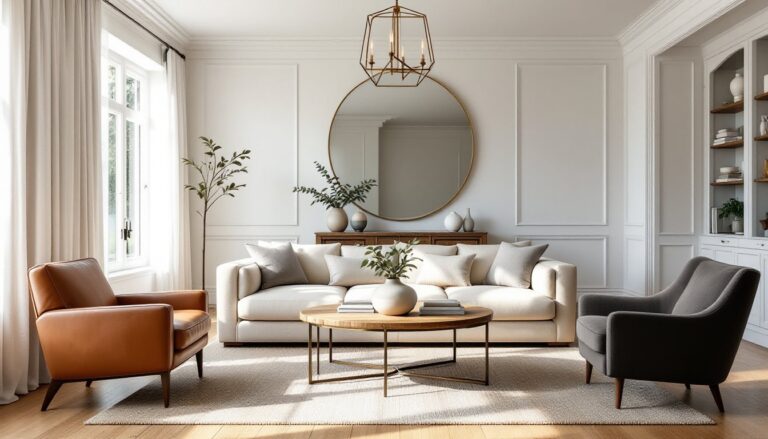
Mid-century modern sofas remain a cornerstone of contemporary interiors. Inspired by 1950s–60s design, they feature tapered wooden legs, button tufting (used sparingly), and a balanced, symmetrical form. Expect seat depths around 20–22 inches and overall widths of 72–84 inches for a standard three-seater.
Minimalist sofas strip things down further: no tufting, no visible hardware, often upholstered in monochrome fabrics. Arms may be thin or nonexistent, maximizing seating surface. These work well in small living spaces where every inch counts, but comfort can suffer if cushion density is low. Test before buying, minimalism shouldn’t mean sacrificing support.
Both styles pair well with natural materials like walnut or teak legs, and they’re forgiving when it comes to mixing eras. A mid-century sofa can sit comfortably alongside a Scandinavian rug or industrial lighting, as noted in design showcases on Design Milk.
Modular and Sectional Options
Modular sofas consist of individual sections (corner units, armless chairs, ottomans) that connect via brackets or friction pads. This flexibility is ideal for open-plan layouts or homeowners who rearrange frequently. Standard modules run 30–36 inches wide, so measure doorways and hallways before ordering, some configurations won’t fit through tight spaces.
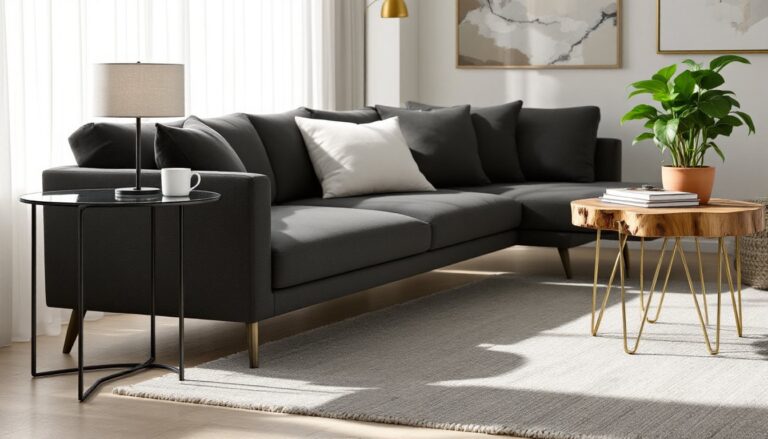
Sectionals, by contrast, are semi-permanent L- or U-shaped arrangements. They’re excellent for defining zones in large rooms but less adaptable. Modern sectionals often feature low backs (30–34 inches) and chaise extensions for lounging. If you’re working with cozy living rooms, a smaller two-piece sectional (around 100 inches total) can anchor the space without overwhelming it.
Be honest about how you use the room. If you host regularly, modularity lets you reconfigure for extra seating. If you prefer a fixed layout, a well-built sectional offers more stability and often better pricing than modular equivalents.
Choosing the Right Size and Configuration
Sofa sizing starts with your room’s square footage and traffic flow. Measure wall-to-wall dimensions, then subtract 36 inches for walkways. A cramped room with a too-large sofa feels claustrophobic: too small, and the piece looks lost.
For standard living rooms (12×18 feet or larger), a three-seater sofa (78–84 inches wide) works. In compact spaces (10×12 feet), consider a loveseat (58–64 inches) or apartment-size sofa (68–74 inches). Always account for door widths: most sofas need at least a 32-inch opening to navigate turns. Measure diagonally through doorways if the sofa has low legs or a tight back.
Seat depth affects comfort. Standard depth is 20–22 inches: deeper seats (24+ inches) suit taller individuals but can leave shorter users’ feet dangling. If multiple people use the sofa, test it together.
Configuration also means thinking about room layout. Floating a sofa (not against a wall) works in large spaces and improves flow. In smaller rooms, anchoring against a wall maximizes usable floor area. If you’re designing small living rooms, keep the sofa proportional to other furniture, a massive sectional paired with a tiny coffee table looks unbalanced.
Don’t forget clearance. Leave 14–18 inches between the sofa and coffee table, and at least 3 feet for major walkways. Measure twice, order once.
Materials and Upholstery for Modern Living Rooms
Upholstery fabric determines how the sofa wears and cleans. Performance fabrics, polyester blends treated for stain and water resistance, are workhorses for high-traffic homes. Brands like Crypton and Sunbrella offer durability without the clinical look of vinyl. These fabrics typically rate 25,000+ double rubs on the Wyzenbeek abrasion test: anything below 15,000 won’t hold up to daily use.
Natural fibers (cotton, linen, wool) breathe better and age beautifully, developing a lived-in patina. Linen wrinkles easily but cleans well: cotton blends resist fading. Both need professional cleaning for serious spills. Wool is naturally stain-resistant but can pill over time.
Leather and faux leather are popular in modern designs. Full-grain leather (top layer of hide, untouched) is the most durable and develops character: top-grain (sanded and finished) is more uniform but less breathable. Faux leather (polyurethane or PVC) is budget-friendly and vegan, but it cracks after 3–5 years of heavy use. If you go faux, choose PU over PVC, it’s more flexible and less toxic.
Frame materials also matter. Solid hardwood (not particleboard or plywood) is non-negotiable for longevity. Check that joints are doweled and glued, not just stapled. Metal frames are less common in modern sofas but show up in industrial-style pieces: they’re sturdy but can feel cold.
Cushion fill ranges from high-density foam (firm, long-lasting) to down-blend (soft, requires fluffing). Many modern sofas use a hybrid: foam core wrapped in down or polyfiber for the best of both. Avoid all-polyester fill, it compresses fast. According to recent design trends featured on Dwell, eco-conscious buyers increasingly favor natural latex foam for its resilience and sustainability.
Color Palettes That Work in Modern Spaces
Modern interiors favor neutral bases with intentional pops of color. Gray, beige, and white remain dominant sofa colors because they anchor a room without competing with art, rugs, or accent chairs. Warm grays (with beige undertones) soften stark spaces: cool grays suit industrial or Scandinavian aesthetics.
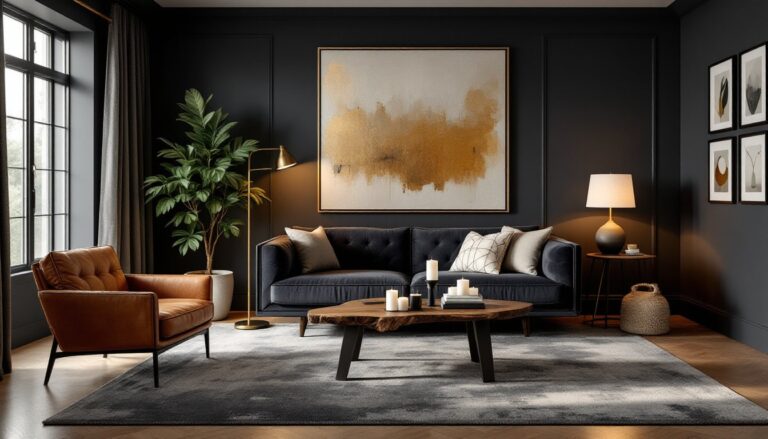
Jewel tones (emerald, sapphire, rust) have gained traction in 2026, especially in velvet upholstery. These work best in rooms with ample natural light: in dim spaces, they can feel heavy. If you’re considering bold color, check fabric samples in your home at different times of day, lighting drastically changes how color reads.
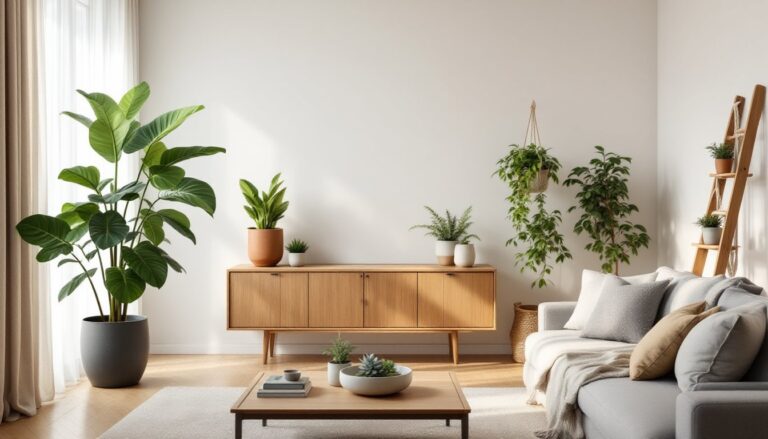
Earth tones (terracotta, ochre, olive) align with the biophilic design trend and pair well with natural wood and plants. They’re forgiving with stains and age gracefully. Coastal living rooms often lean toward sandy beiges and soft blues, while modern farmhouse living rooms embrace creamy whites and warm taupes.
Two-tone sofas, different colors for the body and cushions, add visual interest without overwhelming a room. This works particularly well in living room sets where you’re coordinating multiple pieces.
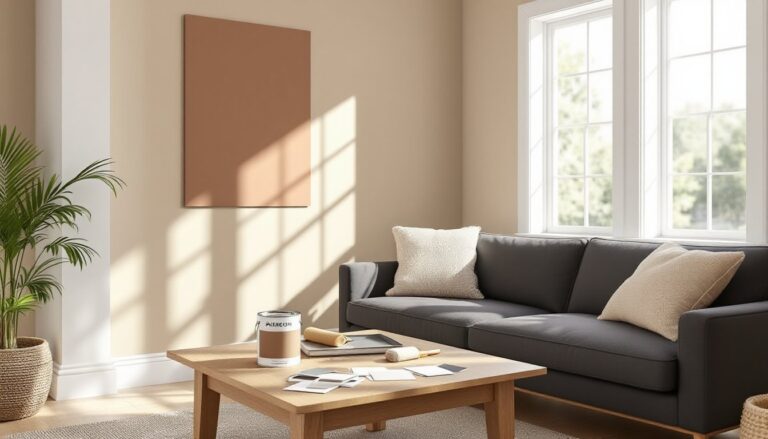
Test swatches against your flooring and walls. A sofa that looks perfect in a showroom can clash with warm oak floors or cool-toned paint. Most manufacturers offer free sample kits, use them. Trends highlighted by Elle Decor show a shift toward custom color matching, allowing homeowners to dial in exact shades.
Finally, consider longevity. Bold colors date faster than neutrals. If you’re budget-conscious, choose a neutral sofa and add color through lounge chairs, throw pillows, or blankets, items easier and cheaper to swap out as tastes change.