Table of Contents
ToggleGot a living room that stretches like a hallway? You’re not alone. Long, narrow living rooms are a common layout challenge, especially in older homes, converted apartments, and modern open-plan builds where one room does double or triple duty. The good news? That extended floor plan isn’t a curse: it’s an opportunity to create distinct, functional zones without building a single wall. With smart furniture placement, intentional color choices, and strategic lighting, anyone can turn a long living room from an awkward bowling alley into a multi-functional space that feels balanced, inviting, and purposeful.
Key Takeaways
- Long living room ideas thrive when you divide the space into distinct functional zones using rugs, lighting, and strategic furniture placement to prevent the bowling alley effect.
- Float your furniture off the walls and arrange seating in L-shapes or perpendicular angles rather than in parallel lines to visually shorten the room and create more intimate, balanced proportions.
- Use bold colors on short walls, horizontal patterns on long walls, and layered lighting with 3-5 fixtures across zones to control visual perception and prevent dark corners.
- Area rugs act as spatial anchors that break the floor into visual segments—use multiple rugs with bold patterns or horizontal stripes to stop the eye from racing down the room’s length.
- Tailor your long living room layout to your lifestyle: prioritize durable, flexible zoning for families; dedicated workspaces for remote workers; seating-heavy arrangements for entertainers; and negative space for minimalists.
- Position sofas perpendicular to the long walls or at 15-20 degree angles, place console tables or open shelving behind seating as zone dividers, and maintain 30-36 inches of clearance for walkways between zones.
Why Long Living Rooms Are Design Goldmines (Not Problems)
Most people see a long living room and immediately think “problem space.” In reality, it’s one of the most flexible layouts you can work with.
A long room naturally supports multiple activity zones without feeling cramped. You can fit a full seating area, a reading nook, a workspace, or even a dining setup, all in one room, without sacrificing walkability. Compare that to a square room where every piece of furniture competes for the same visual real estate.
The length also gives you room to play with sightlines and focal points. Instead of one fireplace or TV dominating the entire space, you can create visual interest at both ends. Think a media console on one wall and a gallery wall or bookshelf on the opposite end.
Long rooms work especially well in open-concept homes where the living area flows into a kitchen or entryway. The extended footprint lets you define boundaries without doors or permanent dividers, just intentional furniture and decor.
The trick isn’t fighting the shape. It’s leaning into it with a layout that treats the room like two or three mini-rooms sharing the same footprint.
Zone Your Space: Creating Distinct Areas in a Long Layout
The easiest way to break up a long living room is by dividing it into zones. Each zone serves a purpose, seating, work, play, storage, and the transitions between them should feel natural, not forced.
Start by identifying what the room needs to do. Most long living rooms can comfortably support two or three zones. Common pairings include:
- Main seating + reading nook
- TV area + workspace or console table
- Lounge seating + dining or game table
Once you’ve mapped out the functions, mark each zone with an area rug. Rugs act as visual anchors and tell the eye where one “room” ends and another begins. Use different rug sizes or complementary patterns to keep each zone distinct but cohesive.
Lighting is the other zoning workhorse. A long room needs more than one overhead fixture. Layer in floor lamps, table lamps, or pendant lights to define each area. A reading nook benefits from a dedicated task light, while the main seating zone might use a combination of ambient overhead lighting and accent lamps.
Don’t forget vertical dividers. Open shelving units, console tables, or even a strategically placed sofa back can create a soft boundary without blocking light or sightlines. A bookshelf perpendicular to the wall works especially well, it offers storage on both sides and keeps the room feeling open.
Strategic Furniture Placement for Natural Divisions
Furniture placement is where zoning gets real. In a long room, the biggest mistake is lining everything up against the walls like a waiting room.
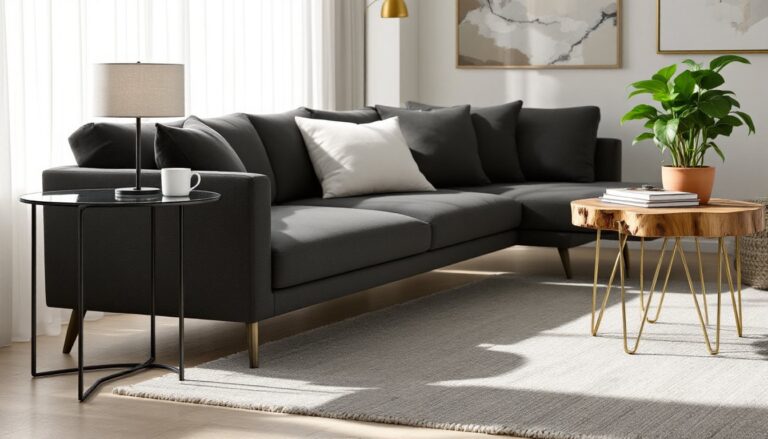
Instead, float your furniture. Pull the sofa a few feet off the long wall and anchor it with a rug and coffee table. This creates a conversation area that feels contained, even without walls. Position chairs perpendicular or angled to the sofa to close the circle and encourage interaction.
If the room is long enough, place a console table or low bookshelf behind the sofa to mark the boundary between zones. Top it with lamps, plants, or decorative objects. This setup gives you usable surface space and a natural stopping point for the seating area.
For the second zone, think about scale. If the main seating is a full sectional, the secondary area should be lighter, maybe a pair of accent chairs and a side table, or a compact desk setup. This prevents visual overload and keeps traffic flow open.
Traffic paths matter. Leave at least 30 to 36 inches of clearance for walkways between zones. If someone has to shimmy sideways to get through, your layout’s too tight.
Furniture Arrangements That Fight the Bowling Alley Effect
The “bowling alley effect” happens when all the furniture runs parallel to the long walls, making the room feel even longer and narrower than it is. The fix? Break the directional flow with perpendicular and angled placements.
Start with the sofa. Instead of pushing it against a long wall, try placing it perpendicular to the length of the room, facing a short wall or a focal point like a fireplace or window. This creates an immediate visual stop and shortens the perceived length.
If a perpendicular sofa doesn’t fit the layout, angle it slightly. Even a 15 to 20-degree shift off the wall adds visual interest and disrupts the tunnel effect.
Pair the sofa with chairs or loveseats positioned at 90-degree angles. An L-shaped or U-shaped arrangement naturally pulls the eye inward and makes the space feel more intimate. Avoid lining up all seating in a single row, it reads as stiff and uninviting.
Consider symmetry on the short walls. Bookshelves, cabinets, or matching armchairs flanking a window or fireplace create balance and draw attention to the width of the room, not just the length.
For TV viewing, mount the screen on a short wall if possible. This lets you arrange seating in a semi-circle or L-shape facing the screen, which feels more like a theater setup and less like a hallway. Homeowners seeking balanced color palettes often find that perpendicular arrangements also make accent walls more effective.
If the room is wide enough (12 feet or more), try a dual-seating arrangement: two sofas facing each other with a shared coffee table. This works especially well in larger spaces where zoning isn’t as critical.
Color, Pattern, and Lighting Tricks to Balance Proportions
Paint and pattern can visually reshape a room faster than any furniture shuffle.
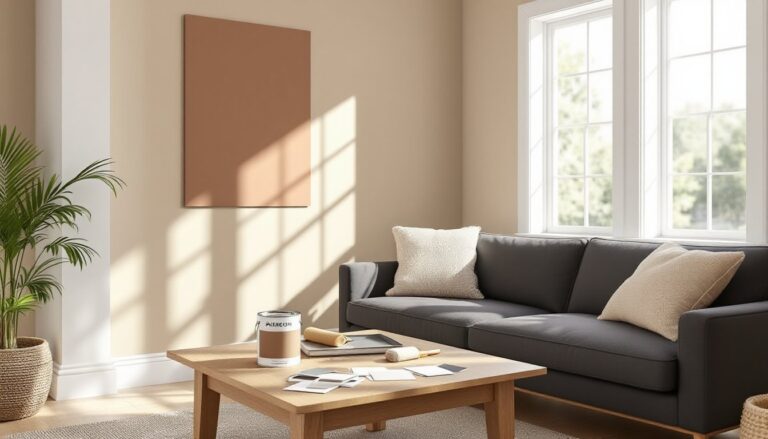
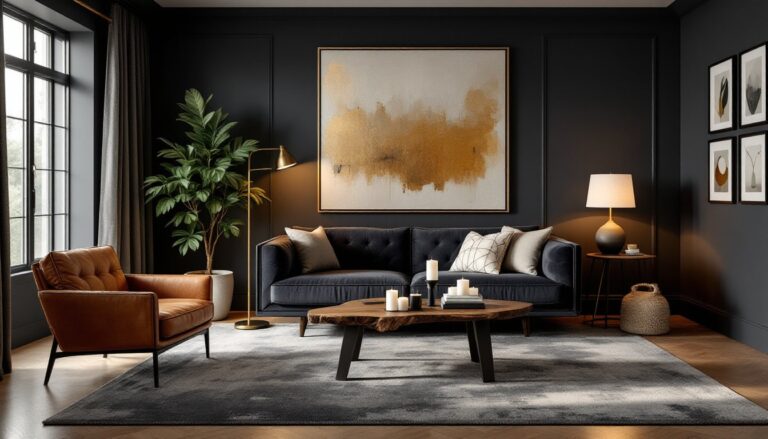
To make a long room feel wider, paint the short walls a darker or bolder color than the long walls. This technique pulls the far walls “forward” and compresses the length. Popular choices include deep blues, charcoal grays, or warm terracotta.
If you’re sticking with a neutral palette, use horizontal lines and patterns on the long walls, think shiplap, wide stripes, or horizontal wainscoting. Vertical patterns on short walls add height without emphasizing length.
Accent walls work best on short walls in long rooms. A bold wallpaper or contrasting paint color at one end creates a focal point and breaks up the tunnel effect. Avoid placing accent walls on both long sides, it’ll frame the length like a runway.
Lighting is your secret weapon for proportion control. In a long room, multiple light sources prevent dark corners and flatten the space visually. Aim for at least three to five fixtures spread across zones, overhead, task, and accent lighting.
Use pendant lights or chandeliers over key zones (dining area, coffee table) to draw the eye down and create vertical interest. Wall sconces on long walls add layers without eating up floor space. Spaces that incorporate layered lighting strategies feel more dynamic and less monotonous.
Dimmer switches are worth the install. They let you adjust mood and emphasis depending on the time of day or activity.
Using Rugs and Flooring to Visually Shorten the Space
Rugs aren’t just soft surfaces, they’re spatial tools.
In a long room, use multiple rugs to create visual stops. A large rug under the main seating area and a smaller runner or accent rug in a secondary zone breaks the floor into segments. This prevents the eye from racing down the length of the room.
Choose rugs with bold patterns or horizontal stripes to widen the perceived space. Avoid long, narrow runners that mimic the room’s shape, they’ll amplify the problem.
Make sure rugs are properly sized. For seating areas, the rug should be large enough that at least the front legs of all furniture rest on it. A 9×12 or 10×14 rug works for most full-size seating zones. Undersized rugs make furniture look disconnected and the room feel choppy.
If you’re working with hardwood or tile, consider the direction of the flooring. Planks running perpendicular to the length of the room (across the width) can visually widen the space. This is usually decided during install, but it’s worth noting if you’re renovating or choosing new flooring.
For renters or anyone not ready to commit to new floors, large-scale area rugs placed widthwise can mimic the effect. Designers featured on platforms like Decoist frequently use layered rugs to add texture and redefine room proportions without permanent changes.
Long Living Room Layout Ideas for Different Lifestyles
Not every long living room serves the same purpose. Tailoring the layout to how you actually live makes the difference between a pretty room and a functional one.
For families with kids, prioritize durable materials and flexible zoning. A main play area with washable rugs and low storage bins keeps toys contained. The opposite end can be adult seating with a sofa and coffee table. Use a console table or bookshelf as a divider so parents can supervise without sitting in the middle of toy chaos. Families looking for approachable, lived-in aesthetics often gravitate toward cozy, layered interiors that balance function and comfort.
For remote workers or students, carve out a dedicated workspace zone. A compact desk against a short wall or perpendicular to the room’s length keeps the office area visually separate. Add a task lamp, a small rug, and a room divider (folding screen, curtain, or tall plant) for privacy during video calls. Keep the desk zone minimal so it doesn’t bleed into relaxation areas.
For entertainers, go heavy on seating and light on clutter. A sectional or dual-sofa setup maximizes guest capacity. Add a bar cart, sideboard, or console table for drink and snack staging. Swap a traditional coffee table for an ottoman or upholstered bench, it doubles as extra seating and won’t bruise shins during crowded gatherings. Incorporating ideas from coastal-inspired layouts can keep the vibe relaxed and welcoming.
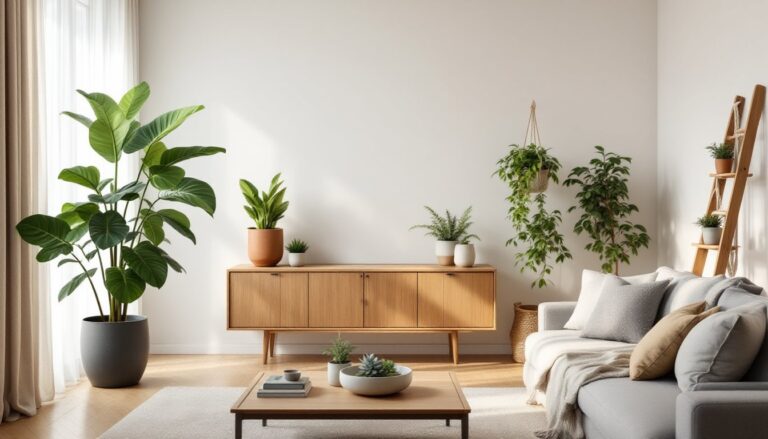
For minimalists or small households, embrace negative space. A single, well-chosen seating group, a statement lounge chair, and a few curated decor pieces can make a long room feel airy and intentional. Use the extra length for a gallery wall, a plant display, or open shelving rather than filling every zone. Those who appreciate clean lines might explore modern lounge seating that combines form and function.
For multi-generational homes, create age-specific zones. A TV viewing area for adults on one end, a game table or reading nook for kids on the other. Add storage that hides clutter but keeps essentials accessible. Modular furniture, like nesting tables or stackable stools, offers flexibility for different activities without permanent commitment.
No matter the lifestyle, the same principles apply: define zones with rugs and lighting, float furniture to break up length, and keep traffic paths clear. The goal is a room that works as hard as the people using it.