Table of Contents
ToggleThe allure of coastal style never fades, but modern coastal living rooms in 2026 have evolved beyond weathered driftwood and nautical clichés. Today’s approach blends clean lines, natural materials, and a muted palette that feels both sophisticated and effortlessly relaxed. Whether you’re steps from the shoreline or landlocked in the suburbs, these design strategies will help you capture that airy, salt-kissed ambiance without turning your space into a literal beach shack. The key is restraint, think curated pieces and intentional textures rather than shells on every surface.
Key Takeaways
- Modern coastal living room ideas prioritize clean lines, neutral palettes, and natural materials over literal beach clichés like nautical stripes and anchor decor.
- A sophisticated coastal color palette combines warm whites, soft grays, and sandy beiges as a foundation, with coastal blues (dusty sage, weathered teal, pale aqua) limited to 20-30% of the space.
- Natural textures—including linen upholstery, jute or sisal rugs, weathered wood, and rattan accents—are essential to prevent the space from feeling sterile and cold.
- Select streamlined, low-profile furniture with exposed wooden legs and slipcovered sofas in natural fibers to maintain the airy, open flow that defines modern coastal design.
- Layer three types of lighting (ambient, task, and accent) with dimmers to create mood, and maximize natural light by removing heavy curtains and incorporating glass doors or large windows.
- Curate accessories thoughtfully with large-scale abstract artwork, varied throw pillows in coastal tones, live plants, and subtle coastal references like smooth stones or sea glass—avoiding themed tchotchkes and clutter.
What Defines Modern Coastal Style?
Modern coastal style strips away the anchors and sailboats in favor of streamlined silhouettes and organic materials. Unlike traditional nautical decor, which leans heavily on navy stripes and rope details, modern coastal embraces a neutral foundation with subtle nods to the shore.
Think horizontal lines that mimic the horizon, large windows that flood the space with natural light, and an open floor plan that enhances flow. The aesthetic borrows from Scandinavian minimalism, clean, uncluttered, functional, but warms it up with coastal textures like linen, rattan, and bleached wood.
The color story stays soft: whites, sand tones, pale grays, and muted blues. Patterns, when used, are geometric or organic rather than overtly themed. The goal is to evoke the coast through feeling and material, not literal representation. If someone walks into your living room and immediately thinks “beach house,” you’ve probably gone too literal. If they simply feel calm and refreshed, you’ve nailed it.
Choosing the Perfect Color Palette for Coastal Ambiance
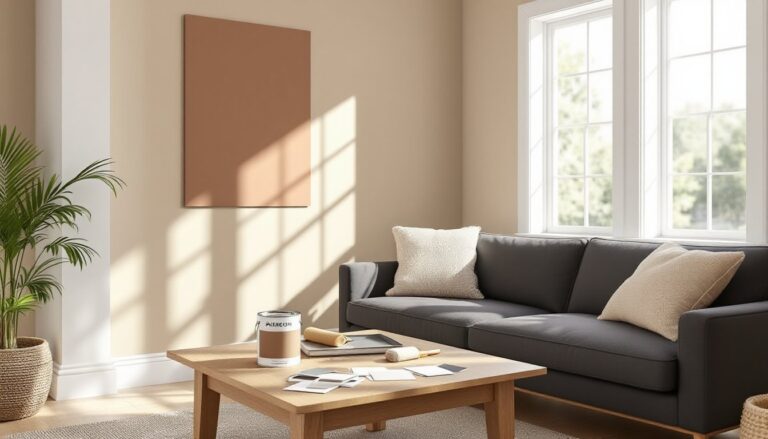
Start with a neutral base: warm whites, soft grays, and sandy beiges. These shades reflect natural light and create the airy foundation coastal style demands. For wall paint, consider Benjamin Moore’s White Dove or Sherwin-Williams’ Sea Salt, both offer subtle warmth without reading too stark or sterile.
Introduce coastal blues sparingly. Dusty sage, weathered teal, and pale aqua work better than bright turquoise or primary navy. Use these tones in 20-30% of the space, an accent chair, throw pillows, or a single painted shiplap wall.
Layering neutrals is critical. A purely white room feels cold: mixing warm sand with cool gray, cream with linen, and ivory with driftwood gray adds depth. Interior designers often reference color theory concepts when building these layered palettes to ensure balance.
Avoid matchy-matchy. Vary your whites, ceiling in cool white (with an LRV of 85+), walls in warm white (LRV 75-80), trim in bright white. This creates subtle contrast that keeps the space from feeling flat. Grounding the palette with natural wood tones, especially whitewashed or weathered finishes, prevents it from feeling too clinical.
Natural Textures and Materials That Bring the Beach Indoors
Texture is everything in a modern coastal living room. Without it, you’re left with a sterile white box. Start with natural fiber rugs, jute, sisal, or seagrass in an 8×10 or 9×12 size for typical living rooms. These materials are durable (important for high-traffic areas) and add that raw, organic feel.
Linen upholstery is the fabric of choice for coastal sofas and chairs. It’s breathable, softens with use, and has the right amount of casual rumple. Pair it with chunky-weave cotton throws in waffle or honeycomb textures.
For window treatments, skip heavy drapes. Sheer linen panels or woven wood shades (bamboo or matchstick) filter light beautifully while maintaining privacy. Roman shades in natural linen are another practical option that won’t block your view.
Wood should feel weathered, not polished. Look for reclaimed teak, whitewashed oak, or driftwood-finished pine. Coffee tables, side tables, and shelving in these finishes ground the space. Rattan and wicker make excellent accent pieces, armchairs, pendant light shades, or storage baskets, but don’t overdo it. One or two rattan pieces per room is plenty.
Stone and concrete can add modern edge. A concrete coffee table or travertine side table introduces cool, sculptural elements that balance softer textures. These materials also tie into contemporary design trends gaining traction in 2026.
Furniture Selection for a Modern Coastal Living Room
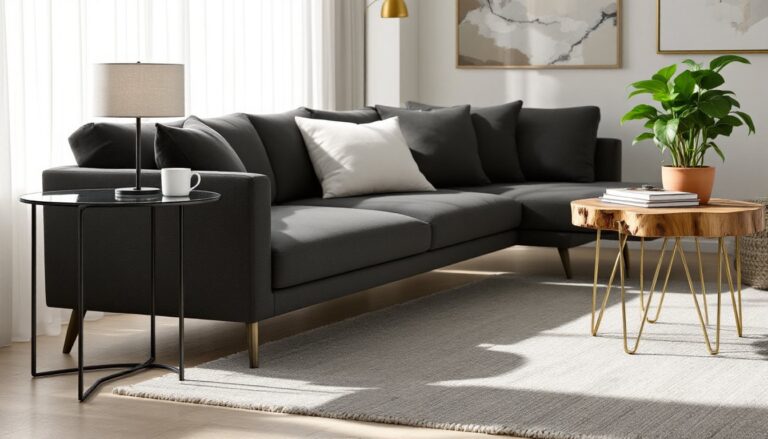
Furniture should be low-profile and streamlined. Bulky sectionals and overstuffed recliners disrupt the airy flow. Look for sofas with exposed wooden legs (tapered or straight), clean arms, and seat depths around 36-40 inches for comfort without bulk.
A slipcovered sofa in natural linen or cotton is a coastal staple. Slipcovers are practical, they’re washable, which matters in high-use spaces, and they soften the room’s geometry. Opt for fitted styles rather than loose, baggy covers for a modern look.
Coffee tables should feel organic. A live-edge wood slab on simple metal legs, a round drum table in woven rattan, or a low-profile teak platform all work. Keep the height around 16-18 inches, lower than standard, to maintain sight lines and openness.
For seating beyond the sofa, consider armless accent chairs or woven lounge chairs. Materials like rope, rattan, or teak bring texture and visual interest. If you’re exploring lounge chair options, prioritize comfort alongside style, coastal doesn’t mean sacrificing function.
Storage should be intentional and minimal. Floating shelves in light wood, a low media console with cane doors, or a simple linen-upholstered ottoman with hidden storage keep clutter at bay without adding visual weight. Avoid heavy entertainment centers or dark wood cabinets.
Lighting Strategies to Enhance Your Coastal Space
Maximize natural light first. Strip away heavy curtains, clean windows, and consider replacing solid doors with glass-paned French doors or sliding glass doors if the layout allows (and budget permits).
For artificial lighting, layer three types: ambient, task, and accent. Start with a statement ceiling fixture, a woven rattan pendant, white ceramic dome, or sculptural chandelier in natural materials. Mount it around 7 feet above the floor (or 30-36 inches above a coffee table if centered over the seating area).
Task lighting includes floor lamps near reading chairs and table lamps on side tables. Choose bases in ceramic, driftwood, or rattan with linen or cotton shades in white or natural. Aim for 2700-3000K bulbs, warm white, to keep the space cozy, not clinical.
Dimmers are non-negotiable. Install them on overhead fixtures and plug-in lamp dimmers for table lamps. Coastal living is about mood, and harsh overhead lighting kills the vibe. Dimming options let you adjust from bright midday to soft evening glow.
Accent lighting can include LED strip lights under floating shelves or picture lights on coastal artwork. Keep wattage subtle, the goal is to highlight, not spotlight. For detailed strategies on layering light sources, consider how each fixture contributes to both function and ambiance.
Decorative Accents and Accessories for the Finishing Touch
Accessories should be curated, not cluttered. Start with large-scale art, abstract seascapes, black-and-white coastal photography, or minimalist line drawings. Frame them simply in natural wood or matte black. A single 40×60-inch piece makes more impact than a gallery wall of small prints.
Throw pillows in varied textures, linen, cotton, chunky knit, add comfort without fuss. Stick to 3-5 pillows per sofa in your coastal palette (whites, sand, muted blue). Mix solids with subtle patterns like ticking stripes or organic prints.
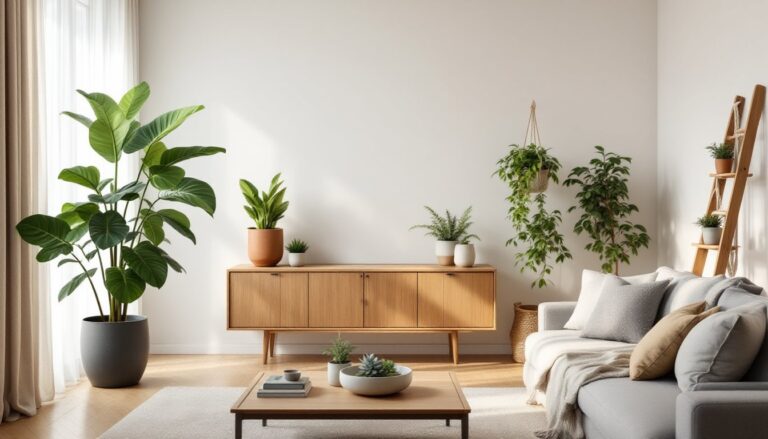
Greenery is essential. Potted palms, fiddle-leaf figs, or snake plants in ceramic or woven planters bring life and a touch of the outdoors in. Place a large floor plant in a corner or cluster smaller plants on shelves. Real plants are worth the effort, but high-quality faux works if maintenance isn’t your thing.
Accessories should reference the coast subtly: a bowl of smooth white stones, a single piece of coral (ethically sourced), or a glass vase filled with sea glass. Avoid themed tchotchkes, no “BEACH” signs or anchor wall art.
Mirrors amplify light and space. A large round mirror in a driftwood or rope-wrapped frame reflects windows and brightens dim corners. Lean an oversized mirror against the wall for a relaxed, modern look. Many coastal living room designs incorporate mirrors strategically to enhance natural brightness and perceived square footage.
Conclusion
Modern coastal style is about editing, not adding. It’s the discipline to choose quality over quantity, to let natural light and texture do the heavy lifting, and to resist the urge to theme every surface. Start with a neutral foundation, layer in organic materials, and choose furniture that feels both comfortable and uncluttered. The result is a living room that breathes, a space that feels like a retreat whether you’re oceanfront or miles inland.